ZAIDF logo
ZAIDF program activity in Borno State

What We Do

Our Program Areas

9 sectors guide every intervention we deliver across Borno and Yobe States (North-eastern Nigeria) and the Federal Capital Territory, Abuja

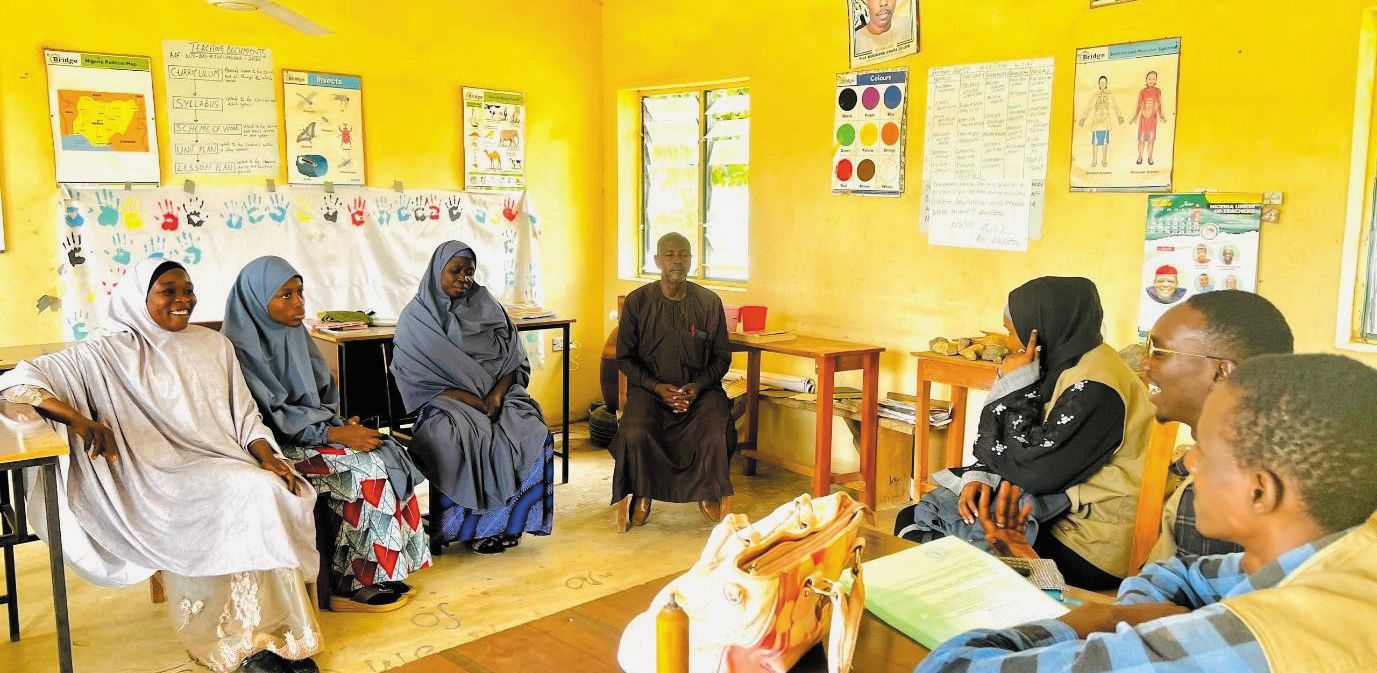
ZAIDF team members meet teachers and staff in a school classroom
ZDF advocacy visit to Asheikh Jarma Secondary and Maisandari Alamderi Primary Schools
01

Education

We empower and support the next generation with the knowledge and skills they need to thrive.

ZAIDF runs a series of activities that improve education and encourage active participation among students, aiming not only for better academic outcomes but for informed, engaged members of the community.

Academic support programs are tailored to the needs of school students: tutoring sessions, study groups and mentorship that strengthen learning across subjects and build confidence. Together with students and teachers, we run community engagement projects on gender inclusion, environmental clean-up drives, hygiene promotion campaigns and school-infrastructure improvements.

Leadership development initiatives in schools and communities include training workshops, student council elections and opportunities for students to take on leadership roles, so that young people become agents of positive change in their school and community.
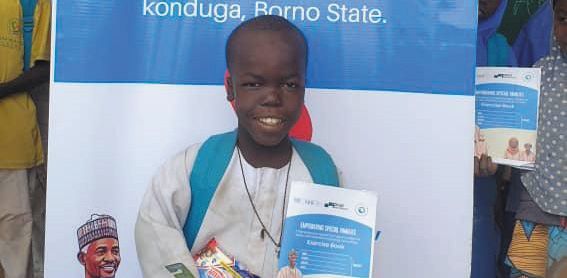
  • A smiling student holds an education booklet at an event in Konduga, Borno State
    Konduga, Borno State
  • ZAIDF team members and school staff pose together in a classroom
    ZDF at Goni Kachallari Secondary School, Maiduguri
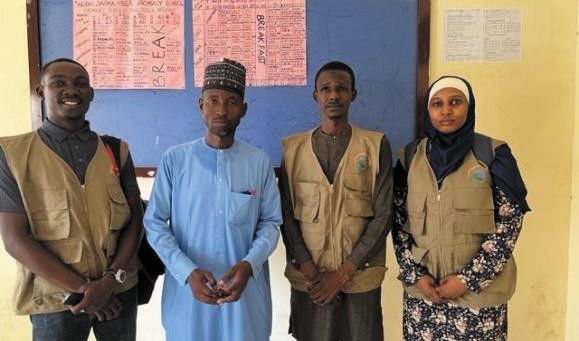
  • ZAIDF team members and a school leader pose in front of a classroom notice board
A ZAIDF team member in a ZDF vest addresses a community gathering at Ngomari Junior Secondary School
ZDF with Novel Alliance for Development Aid (NADA), Nkafamiya Rescue Mission and Noble Action for Peace and Empowerment Initiative (NAPEI), Ngomari Junior Secondary School, Maiduguri: 16 Days of Activism
02

Gender-Based Violence (GBV)

Protecting rights, empowering survivors, and building a safer, more equitable world for all genders.

ZAIDF raises awareness, provides support services and encourages community participation so that people can live free from violence and discrimination. Workshops, seminars and awareness sessions in schools and communities teach students, teachers and community members about the causes and consequences of GBV, and challenge harmful attitudes.

Recognising how important support for survivors is, ZAIDF has established a counselling and referral mechanism: trained counsellors offer confidential support, guide survivors through trauma healing and connect them with legal, medical and psychosocial services as needed.

The foundation also advocates with government agencies, NGOs and community organisations for legislation that protects survivors, strengthens support services and promotes gender equality. SGBV and girl-inclusion clubs have been created in schools such as Maisandari Alamderi School, Maiduguri.

  • Community members seated on mats at the 16 Days of Activism event at Muna Camp
    ZDF at Muna Camp to commemorate 16 Days of Activism
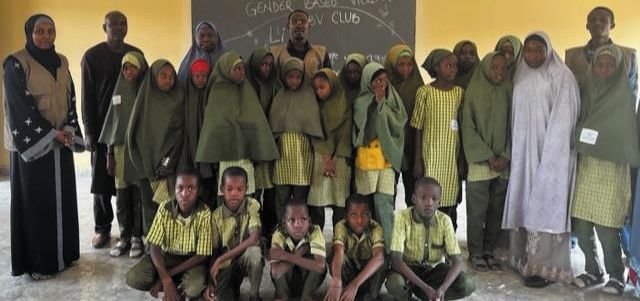
  • Students and teachers pose for a photo at a school GBV club
    ZDF engaging students for GBV club activities in schools
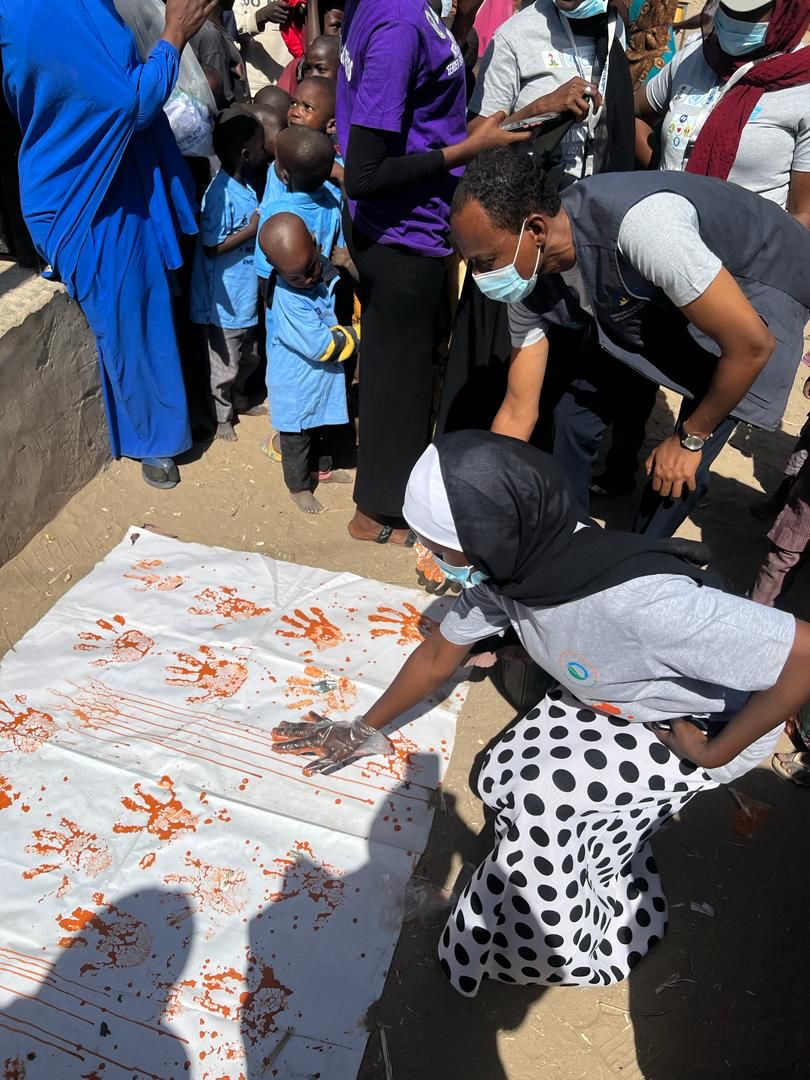
  • Community members leave handprints on a cloth during a GBV awareness activity
    A hand-print awareness activity
A girl washes her hands from a cup poured over a green basin
Handwashing during hygiene education
03

Water, Sanitation and Hygiene (WASH)

Promoting access to clean water and sanitation for a healthier, more resilient future.

Clean, safe drinking water is the first goal. ZAIDF works with local stakeholders to install and rehabilitate water supply systems, including boreholes, hand pumps and rainwater harvesting facilities, reducing the health risks of waterborne disease.

Community ownership keeps the work going: Water Committees and Hygiene Clubs of local volunteers oversee maintenance, monitor water quality and promote hygiene practices. Training covers water management, sanitation maintenance and entrepreneurship in WASH services.

In support of SDG 3 (health and well-being) and SDG 6 (water and sanitation), ZAIDF established Children Hygiene and Sanitation Education (CHASE) Clubs in public and private primary schools, at Goni Kachallari Primary School, Sheikh Jarma Primary School, Ngamari Secondary School and Maisandari Alamderi Primary School. Improved sanitation can cut diarrhoea illness by 32%, and hygiene education and handwashing promotion by up to 45%.

  • Pupils in blue headscarves gather outside a school building for a CHASE Club session
    Children Hygiene and Sanitation Education (CHASE) Club, Goni Kachallari Primary School
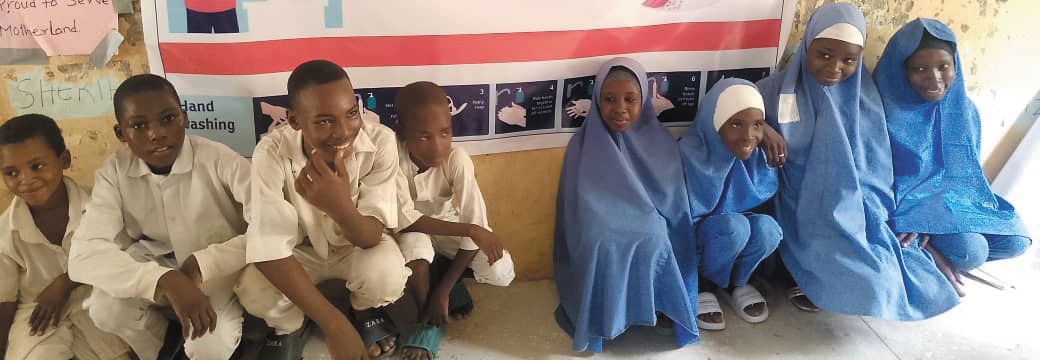
  • Boys and girls seated in front of a hygiene poster at a children's hygiene club
    Children Hygiene and Sanitation Education Clubs in Yobe State
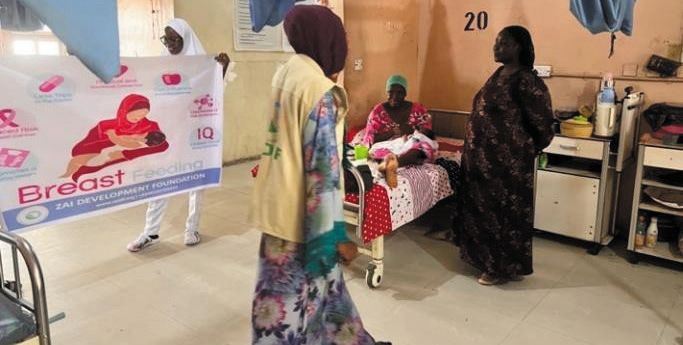
A ZAIDF team member with a breastfeeding banner speaks with a mother at a hospital bedside
ZDF at the State Specialist Hospital, Muhammad Shuwa Memorial Hospital and Wulari Primary Health Care during World Breastfeeding Week
04

Nutrition

Breastfeeding: the first step in nurturing a lifetime of good health, one nourishing drop at a time.

ZAIDF holds nutrition education workshops in schools, communities and community meetings about balanced diets, micronutrient deficiencies, and the importance of breastfeeding and complementary feeding for infants and young children.

The foundation advocates with government agencies, NGOs and community leaders for policies that prioritise nutrition, support agricultural development and improve access to nutritious foods, including policies that protect and encourage breastfeeding in public spaces and workplaces.

ZAIDF is currently working in two hospitals and one primary health care centre, educating pregnant and lactating mothers on the benefits of exclusive breastfeeding and infant and young child feeding. This was marked during World Breastfeeding Week (1 to 7 August) at the State Specialist Hospital, Maiduguri, Muhammad Shuwa Memorial Hospital and Wulari Primary Health Care.

  • Mothers seated in a hospital waiting area during a breastfeeding education session
    ZDF at the State Specialist Hospital, Maiduguri
  • ZAIDF field team members in ZDF vests meet women and children seated outdoors
A ZAIDF team member in a ZDF vest comforts a child among displaced families
ZDF in Elmaskin Camp and Sanda Kyarimi Primary implementing child protection activities
05

Child Protection

Protecting children means creating a world where they can grow up safe, loved, and free to reach their full potential.

ZAIDF has a responsibility to see that children are protected and that parents are educated about keeping children safe at all times. Child protection covers safeguarding children from abuse, neglect, exploitation and violence, and supporting their physical, emotional and psychological development.

The foundation provides psychosocial support in schools, camps and communities, and runs parenting sessions for parents and caregivers of children accessing any child protection activity. Child protection activities are currently under way in schools and camps, including Elmaskin Camp and Sanda Kyarimi Primary School.

Staff receive capacity building on child safeguarding, protection from sexual exploitation and abuse (PSEA) and the organisation's code of conduct. Our fundraising campaign, For All Our Children, supports this work.

  • A trainer presents to ZAIDF staff in a meeting room
    Staff capacity building on child safeguarding, PSEA and the organisation's code of conduct
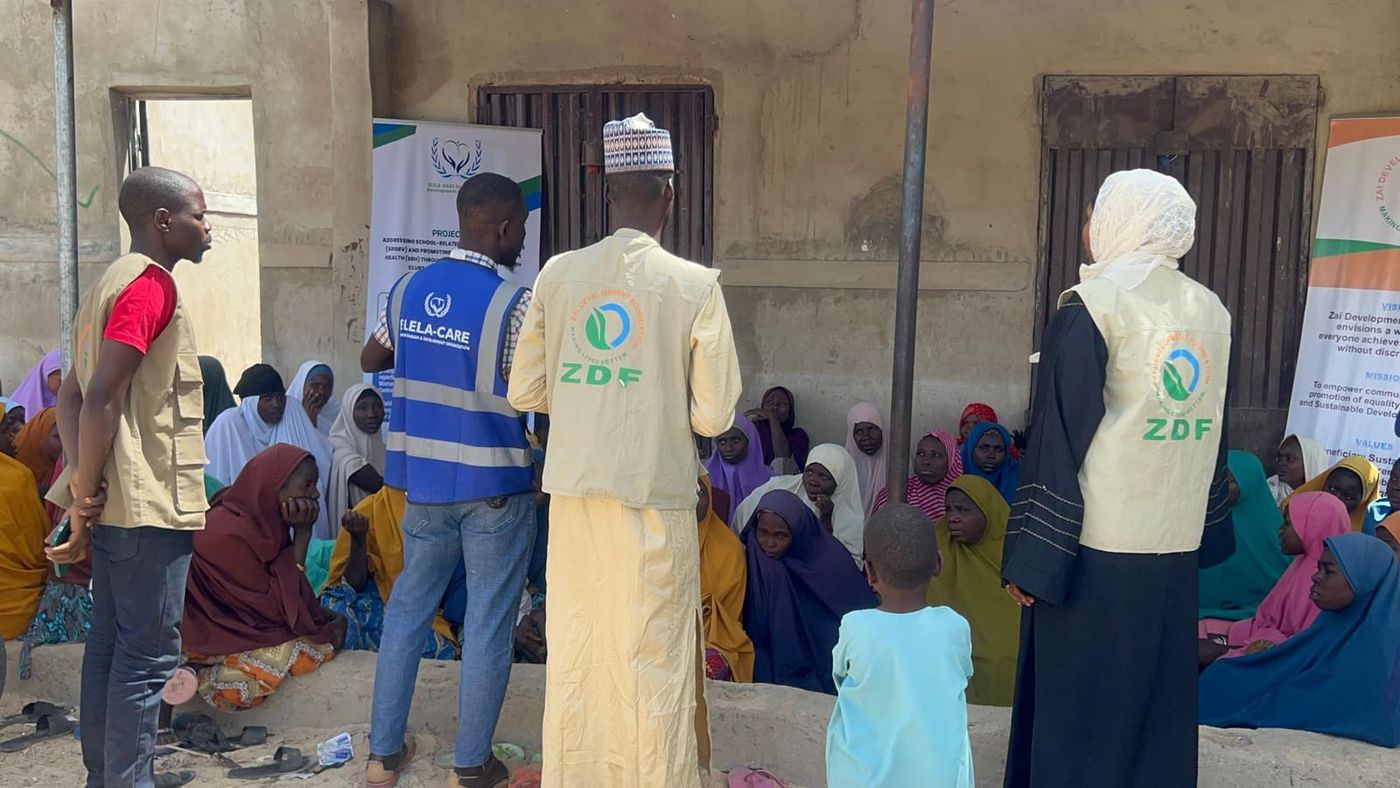
A ZAIDF team member leads a community dialogue session with women and men seated on mats
ZDF in Maisandari: community dialogue session on peaceful coexistence
06

Peacebuilding

Peaceful, inclusive and resilient communities are the foundation of sustainable development.

ZAIDF's peacebuilding approach strengthens community relationships and promotes dialogue, social cohesion and inclusion, with the meaningful participation of women, youth and other vulnerable groups in the decisions that affect their lives.

The foundation works with communities, local stakeholders, schools, government institutions and partners to promote peaceful coexistence and to build community capacity to prevent and manage tensions, through community engagement, awareness activities, dialogue and social mobilisation.

ZAIDF also supports young people and women to take positive leadership roles, through leadership development, civic engagement and community-based activities. Peacebuilding activities in Yobe State have been funded by the Nigerian Youth Futures Fund (NYFF).

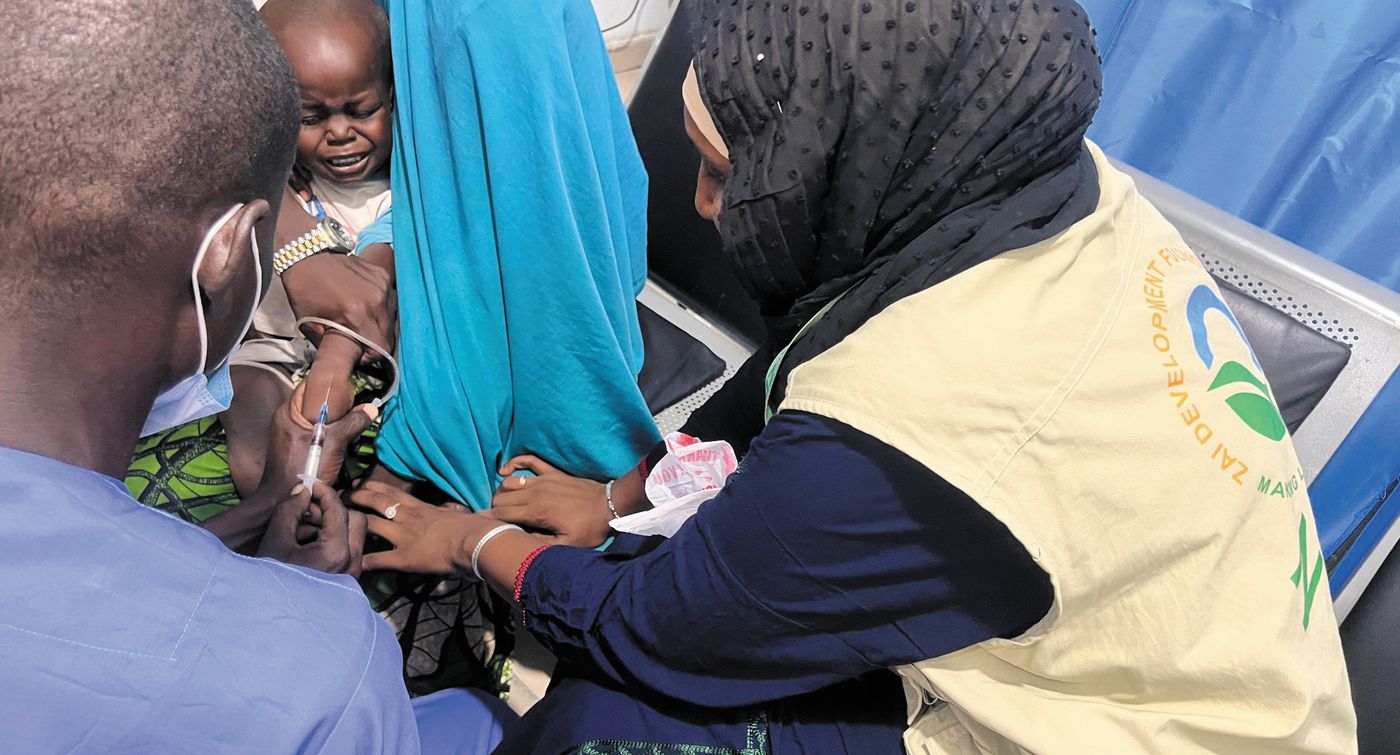
A ZAIDF team member helps a mother and child at a hospital during flood response
ZDF supporting children to get treated at hospital during flood response in Maiduguri
07

Health

Access to quality healthcare is a fundamental part of the well-being and resilience of families and communities.

ZAIDF supports efforts to strengthen primary health care and to promote preventive, promotive and curative health services, with particular attention to women, children and other vulnerable groups. Its work includes community health awareness, health education and engagement with health stakeholders to encourage timely access to care.

Maternal, newborn and child health receive particular attention: awareness of essential maternal and newborn care, immunisation, prevention and management of common childhood illnesses, and exclusive breastfeeding and appropriate infant and young child feeding. Health and nutrition education for pregnant and lactating women is delivered through the State Specialist Hospital, Muhammad Shuwa Memorial Hospital and Wulari Primary Health Care.

Health work is integrated with ZAIDF's programming in nutrition, WASH, education and protection, because good health depends on safe environments, adequate nutrition, knowledge and protection.

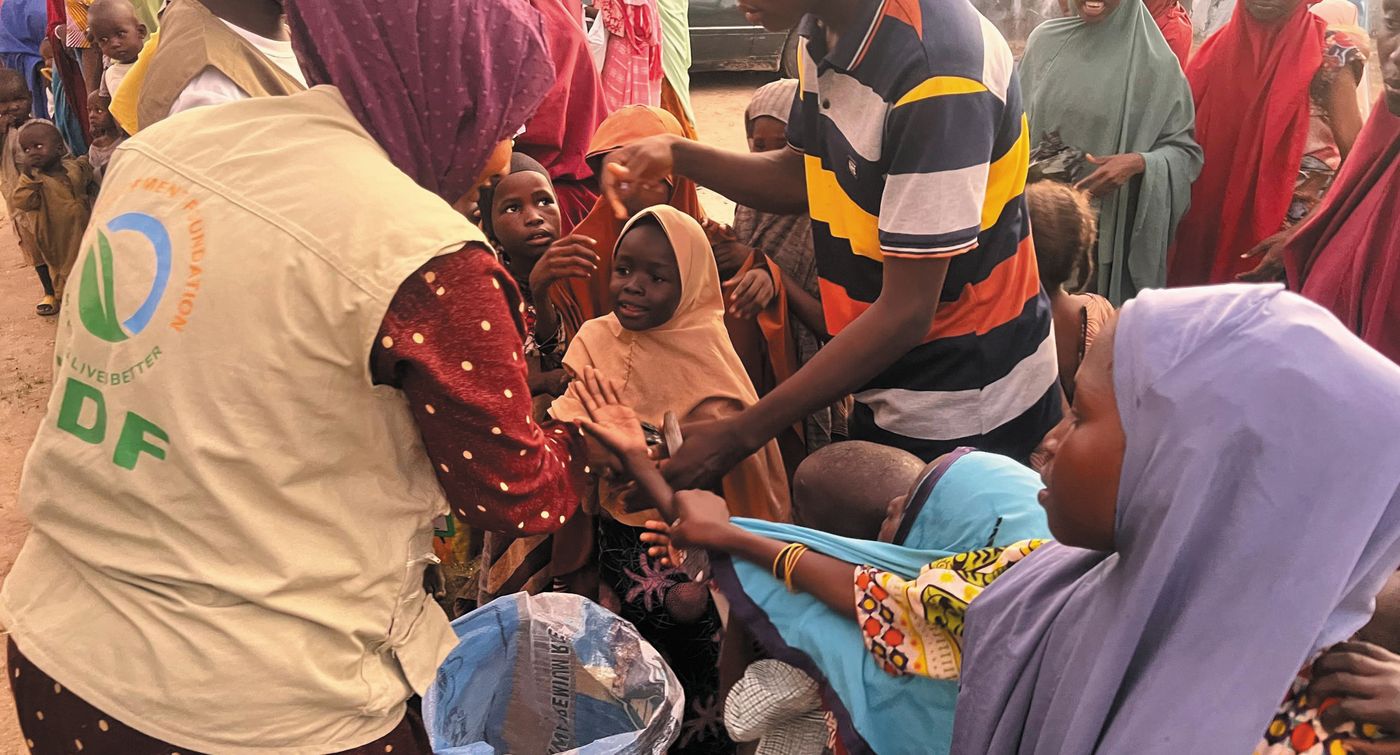
ZAIDF team members in ZDF vests assist families gathered at a distribution point
ZDF working with vulnerable households and displaced families
08

Food Security and Livelihoods

Food security and sustainable livelihoods are essential to building resilient households and communities.

ZAIDF supports vulnerable populations to improve their access to nutritious food, to meet their basic needs and to develop opportunities for self-reliance, with particular attention to vulnerable households, women, youth, returnees, internally displaced persons and host communities.

Through community engagement, awareness and capacity-building, the foundation promotes practical approaches that help households manage available resources and stay resilient against economic and social shocks, including awareness of balanced diets and access to nutritious foods.

Working with community members, local leaders, government institutions and development partners, ZAIDF seeks to identify local opportunities and make sure that women and youth are meaningfully included in activities that promote economic participation.

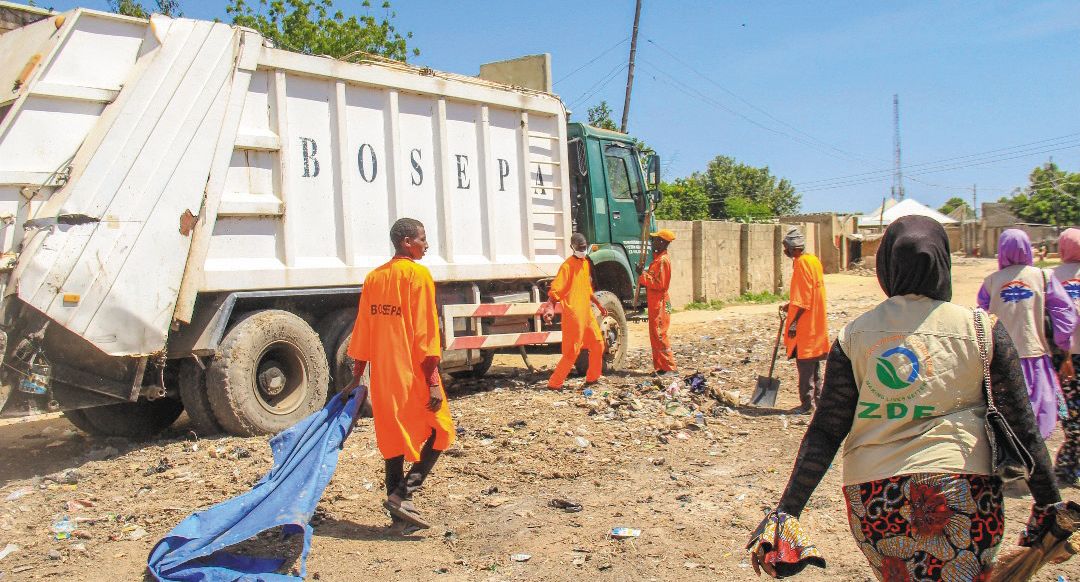
A ZAIDF team member and sanitation workers clear waste beside a BOSEPA refuse truck
ZDF in collaboration with BOSEPA for environmental sanitation, Maiduguri, Borno State
09

Environment and Climate Change

Environmental challenges and climate change increasingly affect the health and livelihoods of vulnerable communities.

ZAIDF promotes community-led action that helps people understand environmental challenges, protect natural resources and adapt to changing conditions, encouraging practical actions such as improved sanitation, proper waste management, environmental cleanliness and responsible use of local resources.

Schools and young people are an important part of this work: school-based activities and community initiatives encourage children and young people to develop positive environmental attitudes and take part in creating cleaner, healthier and more sustainable communities.

In line with its organisational objectives, ZAIDF is committed to localising the global climate change agenda by strengthening community efforts and promoting practical action at local level, in collaboration with stakeholders.