Padher Campaign
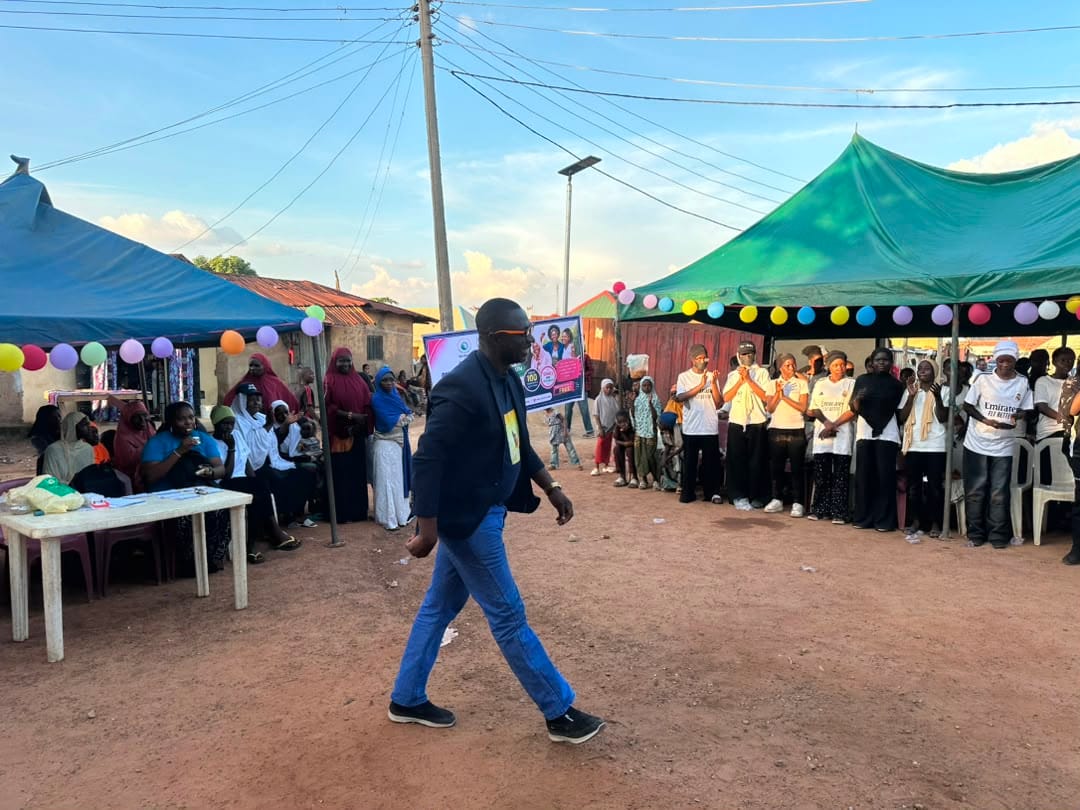
It aims at supporting menstrual hygiene management amongst conflict affected girls and women of reproductive age in MMC/Jere LGAs of Borno State — empowering young girls and women who are going through various forms of stigmatization, abuse and health challenges as a result of their natural monthly cycle.
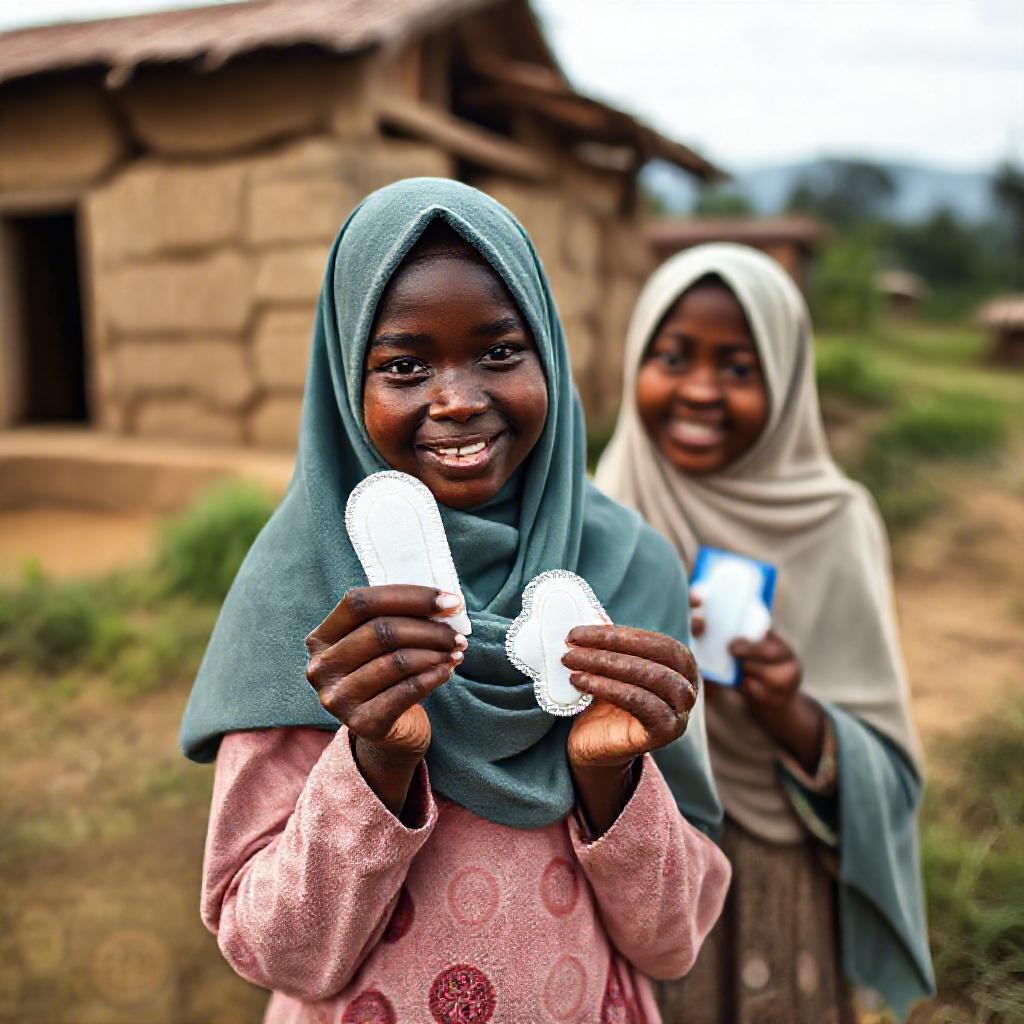
For most poor and vulnerable girls in North-eastern Nigeria (Borno and Yobe), who have been ravaged by insurgency, the onset of menstruation serves as a constant reminder of the oncoming abuse and stigmatization they are about to face. For many, menstruation is a dream-killer because they never get to attend school during their period — while others who cannot afford a proper pad rely on old rags and leaves, which carry serious health risks including pelvic inflammatory disease, haemorrhage, and infertility.
According to UNESCO, 1 out of 10 African girls miss school during their menstrual period and eventually drop out. This project is geared to end deep-rooted taboos, myths and misinformation on menstruation in Nigeria and other developing countries.
Aisha's Story
From silence to empowerment
In a forgotten corner of the world, nestled between rugged bushes and vast plains, somewhere in North-eastern Nigeria, there lay a community of girls and women whose voices were silenced by the burden of menstrual hygiene challenges. Among them was Aisha, a determined young woman whose dreams of education and empowerment were overshadowed by the monthly struggles she faced. Her dreams were as vast as the sky, but shackled by the constraints of her circumstances.
In Aisha's village, the lack of access to menstrual hygiene products and facilities was a harsh reality. With no proper resources available, girls and women resorted to using whatever they could find, often enduring discomfort, shame, and health risks. Every month, Aisha watched as her peers missed school or work, trapped in a cycle of poverty and inequality perpetuated by their inability to manage their menstrual health safely and with dignity.
Despite the challenges, Aisha refused to accept this as their fate. With unwavering resolve, she decided to take matters into her own hands. They whispered about their experiences in hushed tones, finding solace in each other's understanding. Determined to break the cycle of silence and suffering, Aisha began educating her community about menstrual hygiene, advocating for better access to resources and facilities.
She gathered the courage to speak out, sharing her community's plight with the world and calling for support to fundraise for menstrual hygiene initiatives. With the help of sympathetic individuals and organizations, they launched a crowdfunding campaign to raise funds for a menstrual hygiene project, and the impact was profound. Girls want to return to school with newfound confidence, women want to pursue income-generating opportunities without fear of stigma, and the entire community wants to flourish as the cycle of poverty and inequality begins to break.
Aisha's journey from silence to empowerment became a beacon of hope for countless others facing similar challenges. Through their collective efforts, they want to prove that with compassion, determination, and support, even the most daunting obstacles can become history, paving the way for a brighter future for generations to come.
Objectives
- Collaborate with government agencies, corporate bodies, UN agencies, INGOs, CBOs and individual donors for long-term partnership and sponsorship of menstrual hygiene kit donations
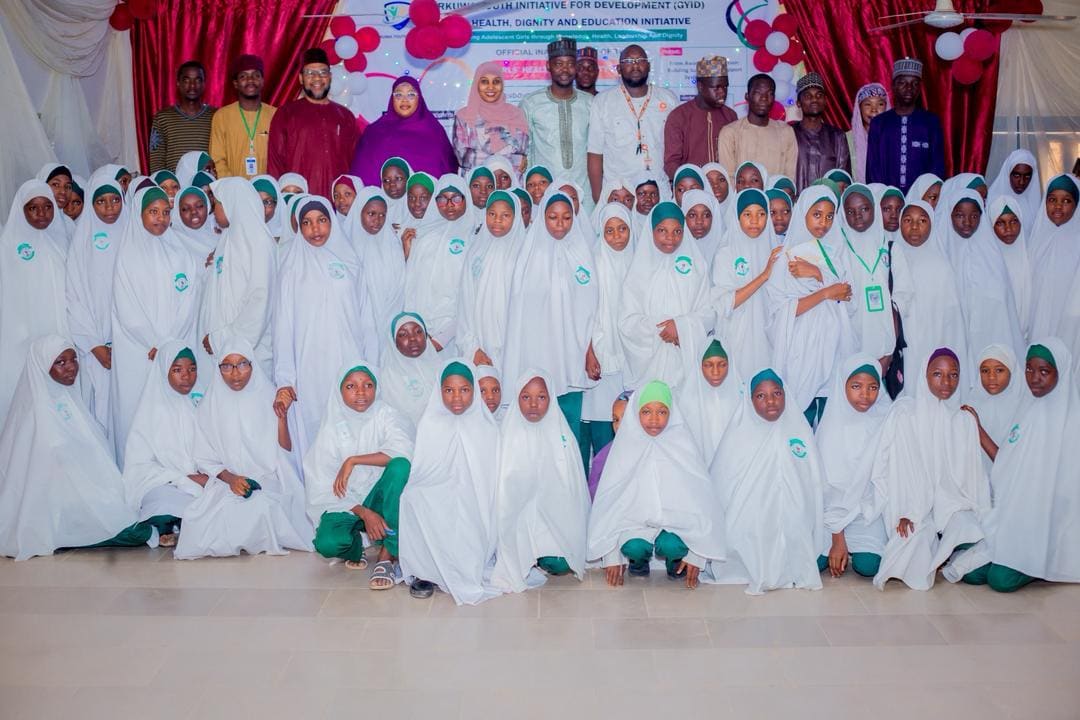
- Organize menstrual hygiene management training and workshops in schools across the targeted states and LGAs
- Organize menstrual hygiene management training and workshops in communities and IDP camps notable for menstrual myths and taboos
Activities
- Procure and distribute 5,000 sanitary kits to vulnerable girls and women within their reproductive ages
- Train teachers in schools on Menstrual Hygiene Management and establish Health/Hygiene and Sexual Reproductive Health clubs
- Conduct life-skills sessions with girls in schools and women in communities
- Train community stakeholders (women's groups, religious leaders, traditional leaders, health care providers) on Menstrual Hygiene Management
- Conduct awareness and sensitization campaigns in communities